
Essential Steps for Filing Unfiled Tax Returns: Avoiding Penalties and Fees
Understanding the Importance of Filing Unfiled Tax Returns
Filing your tax returns on time is crucial to avoid unwanted penalties and fees. Unfiled tax returns can lead to significant fines, interest charges, and even legal consequences. If you find yourself in a situation where you've missed filing one or more tax returns, taking immediate action is essential.
Gathering Necessary Documentation
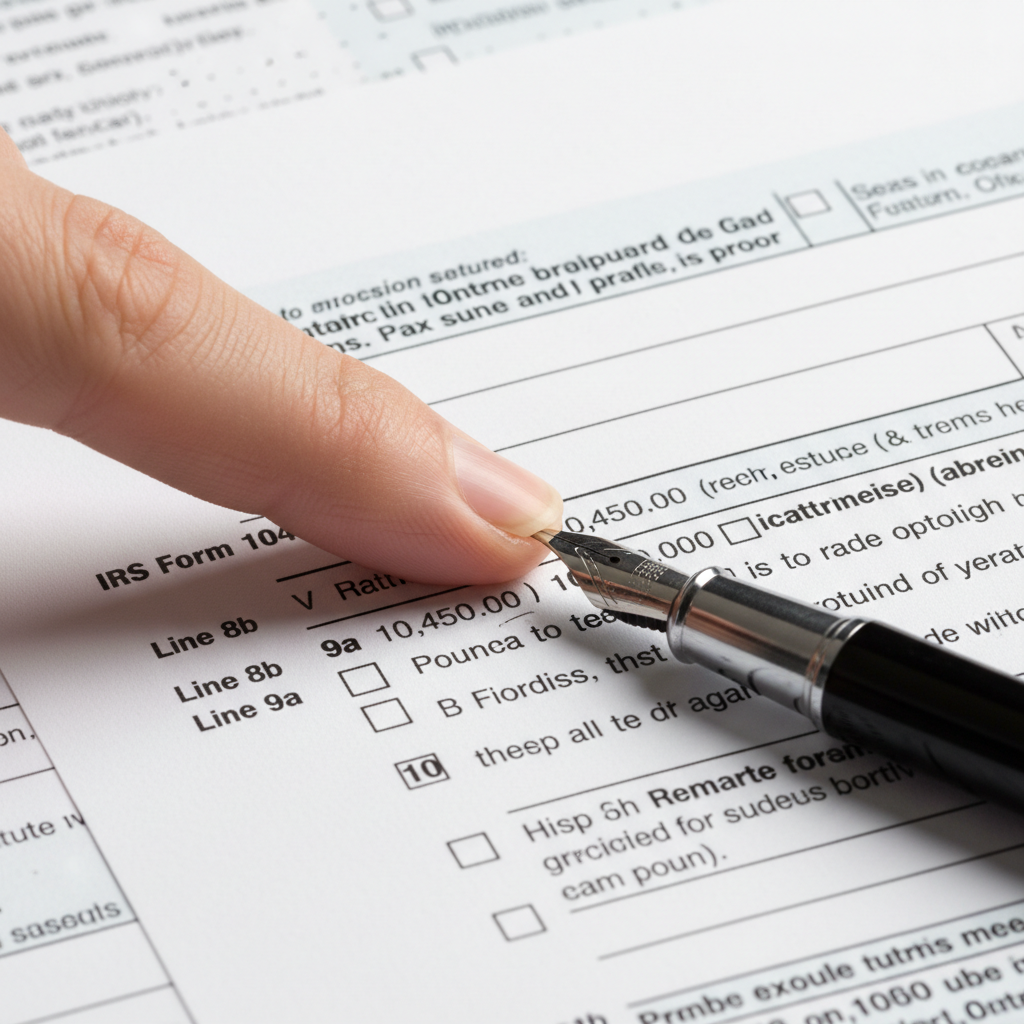
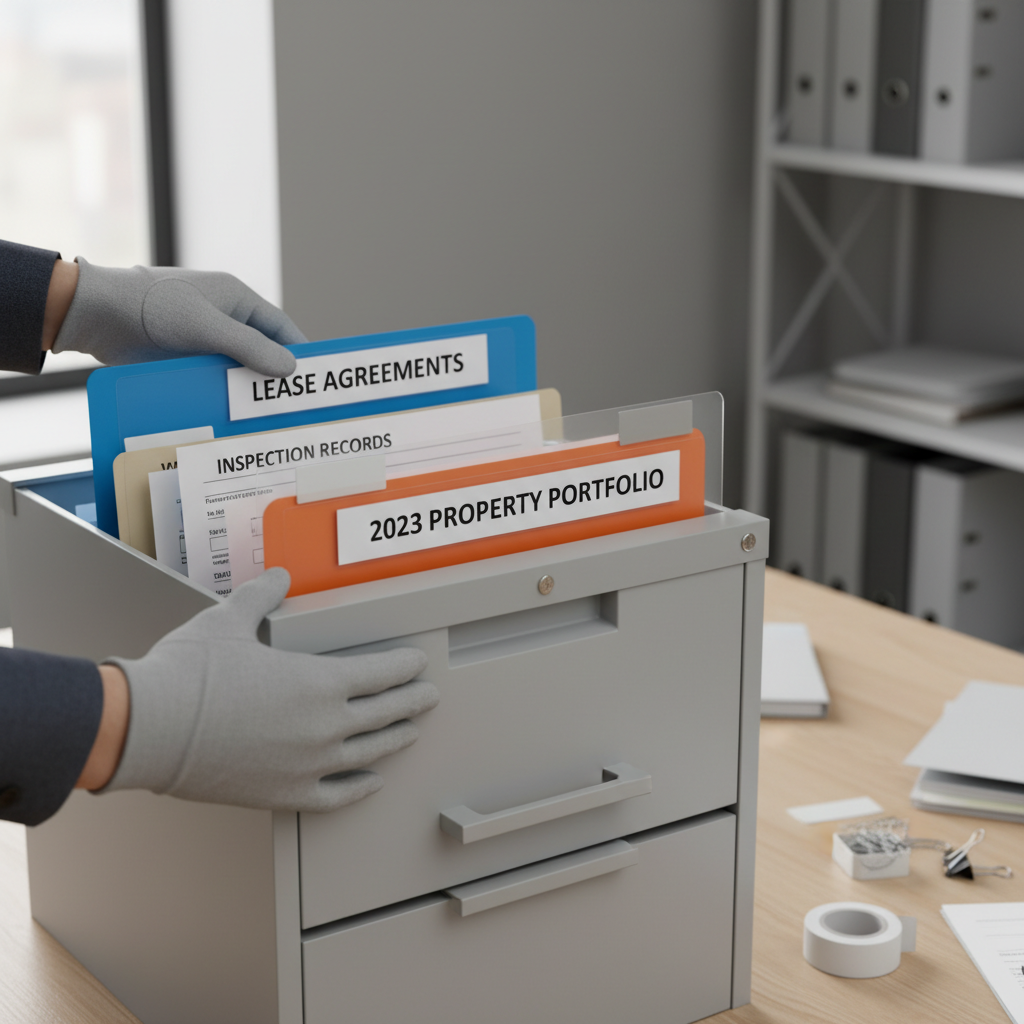
The first step in filing unfiled tax returns is to collect all necessary documentation. This includes W-2s, 1099s, and any other relevant income statements, as well as records of deductions and credits. Having these documents on hand will streamline the filing process and ensure accuracy.
Determining Your Filing Status
Your filing status affects your tax rate and the deductions you are eligible for. Determine whether you are filing as single, married, or head of household. This decision can impact your tax liability significantly, so choose the status that best fits your current situation.
Calculating Your Tax Liability
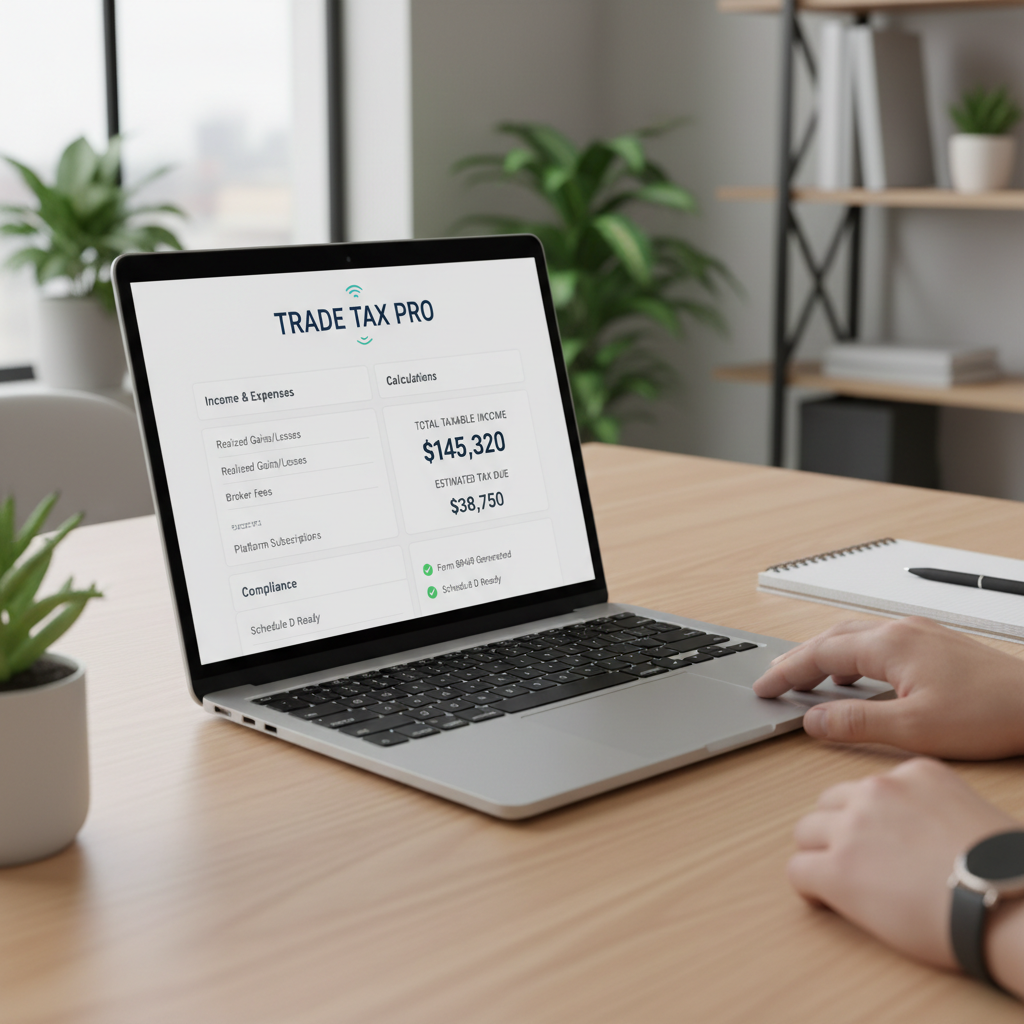
Once you have your documentation and filing status, calculate your tax liability. This involves determining your total income, applicable deductions, and any credits you may qualify for. Using tax software or consulting a tax professional can simplify this process and help ensure accuracy.
Filing Your Returns
After calculating your tax liability, it's time to file your returns. You can file electronically or by mail, depending on your preference and the tax year in question. Ensure that all information is accurate to avoid any further complications.
Addressing Penalties and Fees
If you owe back taxes, be prepared to address any penalties and fees. The IRS may charge late filing and late payment penalties, as well as interest on unpaid taxes. Contact the IRS to discuss payment plans or other options if you are unable to pay the full amount immediately.
Seeking Professional Assistance
Filing unfiled tax returns can be complex, especially if multiple years are involved. Consider hiring a tax professional to guide you through the process. They can provide valuable advice and ensure that you comply with all regulations, minimizing the risk of additional penalties.

Staying Compliant in the Future
Once you've addressed your unfiled tax returns, focus on staying compliant in the future. Set reminders for tax deadlines, keep your financial documents organized, and consider using tax software to streamline the process. Staying proactive will help you avoid similar issues down the line.