Filing Back Taxes: A Step-by-Step Guide for New Jersey Residents
Understanding Back Taxes
Filing back taxes can be a daunting process, but it's essential to address them to avoid penalties and interest. In New Jersey, understanding the procedure and knowing where to start is crucial. This guide will walk you through the necessary steps to get your tax situation back on track.
Gathering Necessary Documentation
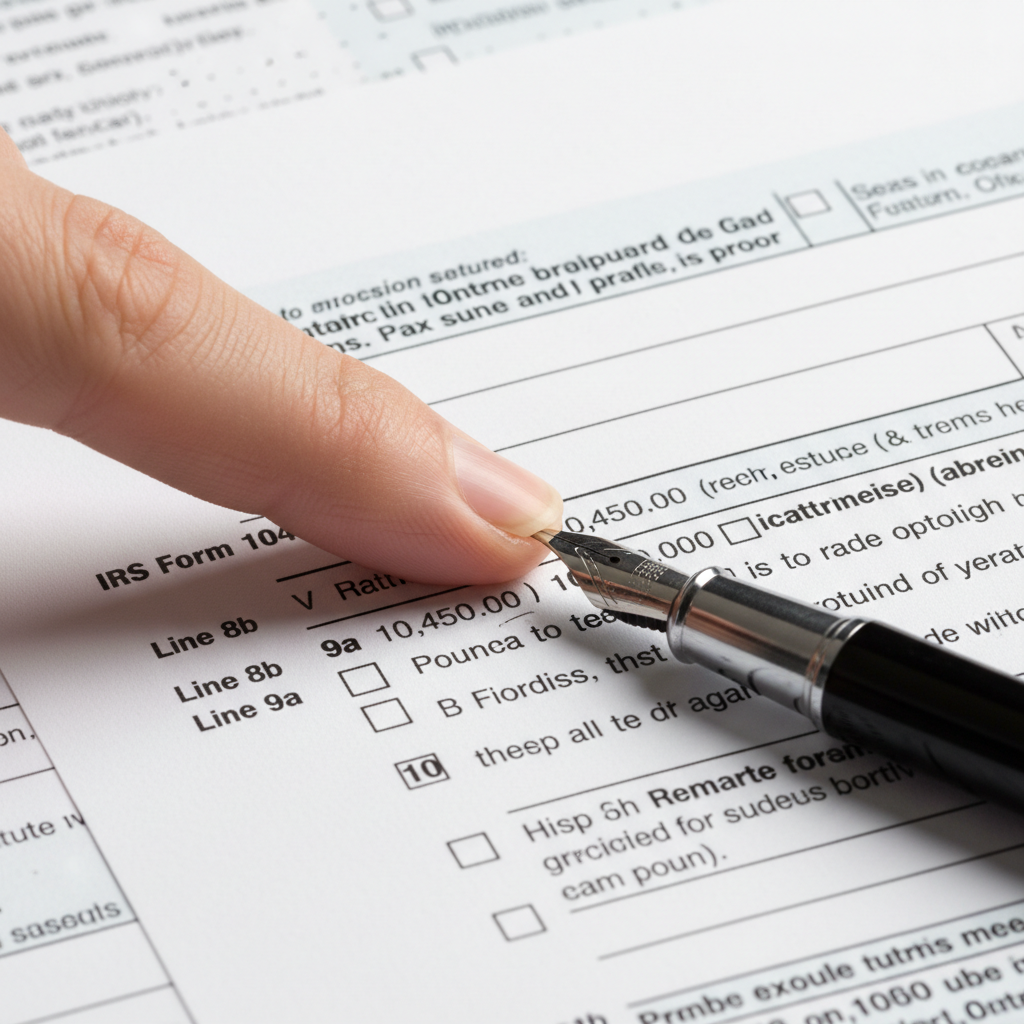
The first step in filing back taxes is to collect all relevant documents. This includes your W-2s, 1099s, and any other income records for the years you need to file. Having these documents on hand will make the process smoother and ensure accuracy in your filings.
If you're missing any documentation, you can request copies from your employer or the IRS. It's important to have a complete set of records to prevent discrepancies in your tax return.
Understanding New Jersey Tax Laws
Before filing, familiarize yourself with New Jersey's specific tax laws. The state may have unique deductions and credits that can affect your return. It's also crucial to be aware of any changes in tax laws for the years you're filing.

Consulting with a tax professional or using reliable tax software can help you navigate these complexities. This ensures you're taking advantage of all applicable deductions and staying compliant with state laws.
Filing Your Back Taxes
Once you have all your documents and understand the state laws, it's time to file. You can file your back taxes by submitting paper returns or using online services. Make sure to include all necessary forms and information to avoid processing delays.
If you owe taxes, it's advisable to pay them as soon as possible to minimize interest and penalties. New Jersey offers payment plans if you're unable to pay the full amount at once.
Dealing with Penalties and Interest
Filing back taxes might result in penalties and interest, especially if there's a significant delay. Understanding these penalties can help you plan better. The sooner you file, the less you'll owe in added charges.
For those facing financial difficulties, New Jersey may provide options for penalty abatement or reduced interest. It's worth exploring these options if you find yourself in a challenging financial situation.
Staying Compliant in the Future
Once you've filed your back taxes, it's important to stay compliant in the future. Set reminders for tax deadlines, keep your documents organized, and consider consulting with a tax professional annually.

Staying proactive will prevent the stress of dealing with back taxes again and ensure your financial health remains intact. By following these steps, New Jersey residents can manage their back taxes effectively and move forward with confidence.