
Filing Returns for Unfiled Years: A Step-by-Step Tutorial
Understanding Unfiled Tax Returns
Facing unfiled tax returns can be daunting, but addressing them is crucial for maintaining financial health. Whether you've missed one year or several, it's important to tackle the issue head-on. In this guide, we'll walk you through the process of filing returns for unfiled years.
Gather Your Documents
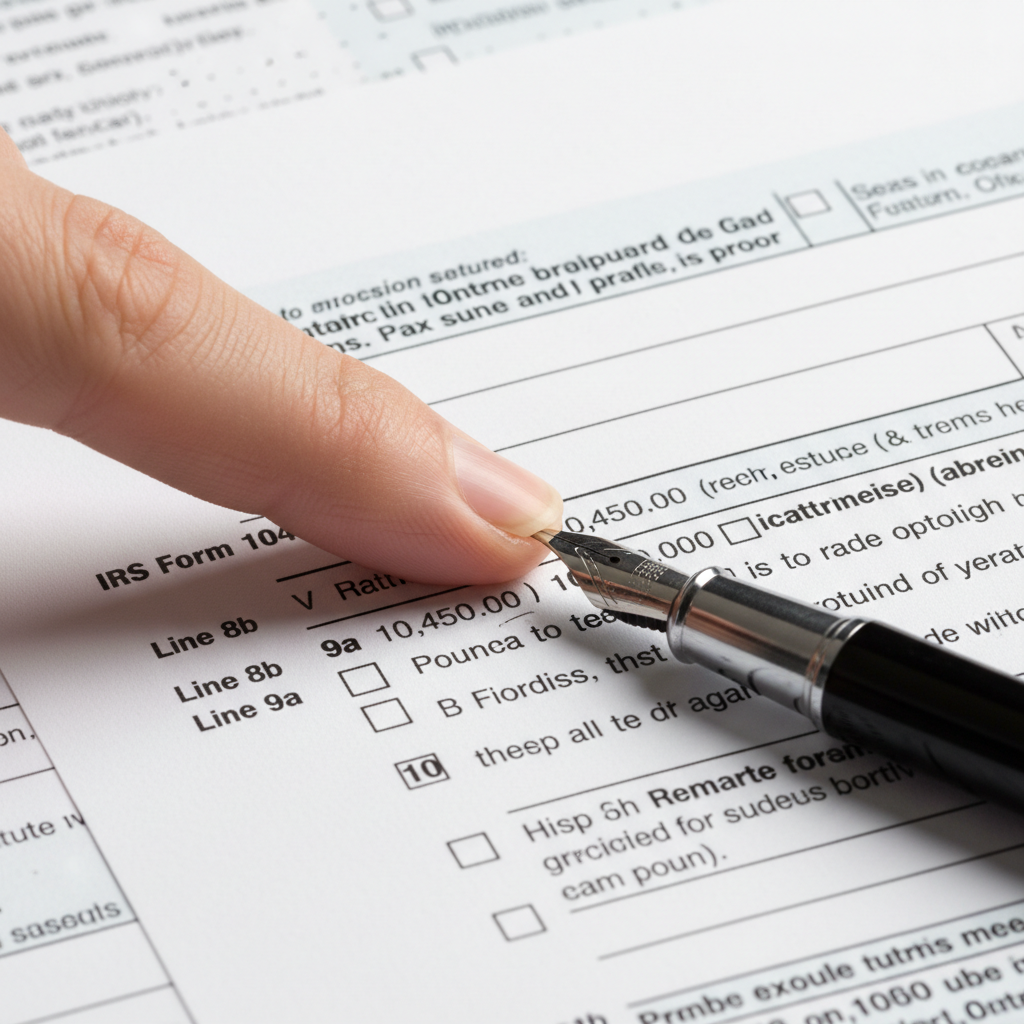
The first step in filing unfiled tax returns is gathering all necessary documents. This includes W-2s, 1099s, and any other income statements. If you've misplaced these documents, you can request copies from the IRS or your employer. Having accurate information is essential for a correct filing.
Determine Your Filing Status
Your filing status can significantly impact your tax obligations. Whether you're single, married, or head of household, ensure you select the correct status for each year you're filing. This will help you maximize deductions and minimize tax liabilities.

Filing Your Returns
Once you've gathered all required documents and determined your filing status, it's time to prepare your returns. You can do this yourself using tax software or hire a professional accountant. If you're filing several years at once, consider seeking professional assistance to ensure accuracy and compliance.
Use the Correct Forms
Tax forms change over time, so ensure you're using the correct forms for each year. Forms can be downloaded from the IRS website, or you can obtain them through tax software. Pay attention to any changes in tax laws that might affect your previous returns.
Calculate Penalties and Interest
Unfiled tax returns often come with penalties and interest. Calculate these amounts to understand your total tax liability. The IRS charges penalties for late filing and late payment, so it's important to include these in your calculations.
Submitting Your Returns
After preparing your returns, submit them to the IRS. You can do this electronically or by mail. If you owe taxes, consider setting up a payment plan to manage your financial obligations. The IRS offers several options for taxpayers who cannot pay their tax bills in full.
Keep Copies of Everything
Once your returns are filed, keep copies of all documents and correspondence. This includes your tax returns, any letters from the IRS, and proof of payment if applicable. Having a complete record is useful for future reference and any potential audits.
Seek Professional Help if Needed
If you're overwhelmed or unsure about any step in the process, don't hesitate to seek professional help. Tax professionals can provide valuable insights and ensure that your returns are accurate and compliant with current tax laws.
By following these steps, you can successfully file returns for unfiled years and regain control over your financial standing. Addressing unfiled returns not only helps avoid penalties but also provides peace of mind.